
INSPECTIONS & TESTING
Fire sprinkler inspections & NFPA 25 testing
We provide NFPA 25 fire sprinkler inspections and testing within roughly 35 miles of Molalla, including Salem, Keizer, Canby, Oregon City, Woodburn and Silverton.
Fire sprinkler systems need regular inspections and testing to stay in good shape and code-compliant. We focus on water-based fire sprinkler inspections and NFPA 25 testing for light hazard and small commercial buildings in the Molalla–Salem area.
If you’re due for an annual fire sprinkler inspection, need a report for the fire marshal or your insurance, or you’re not sure when your last NFPA 25 inspection was, we can help you get current and stay that way.
The goal is simple: know what condition your system is in, fix what actually needs to be fixed, and stay in good standing with the fire marshal and your insurance.
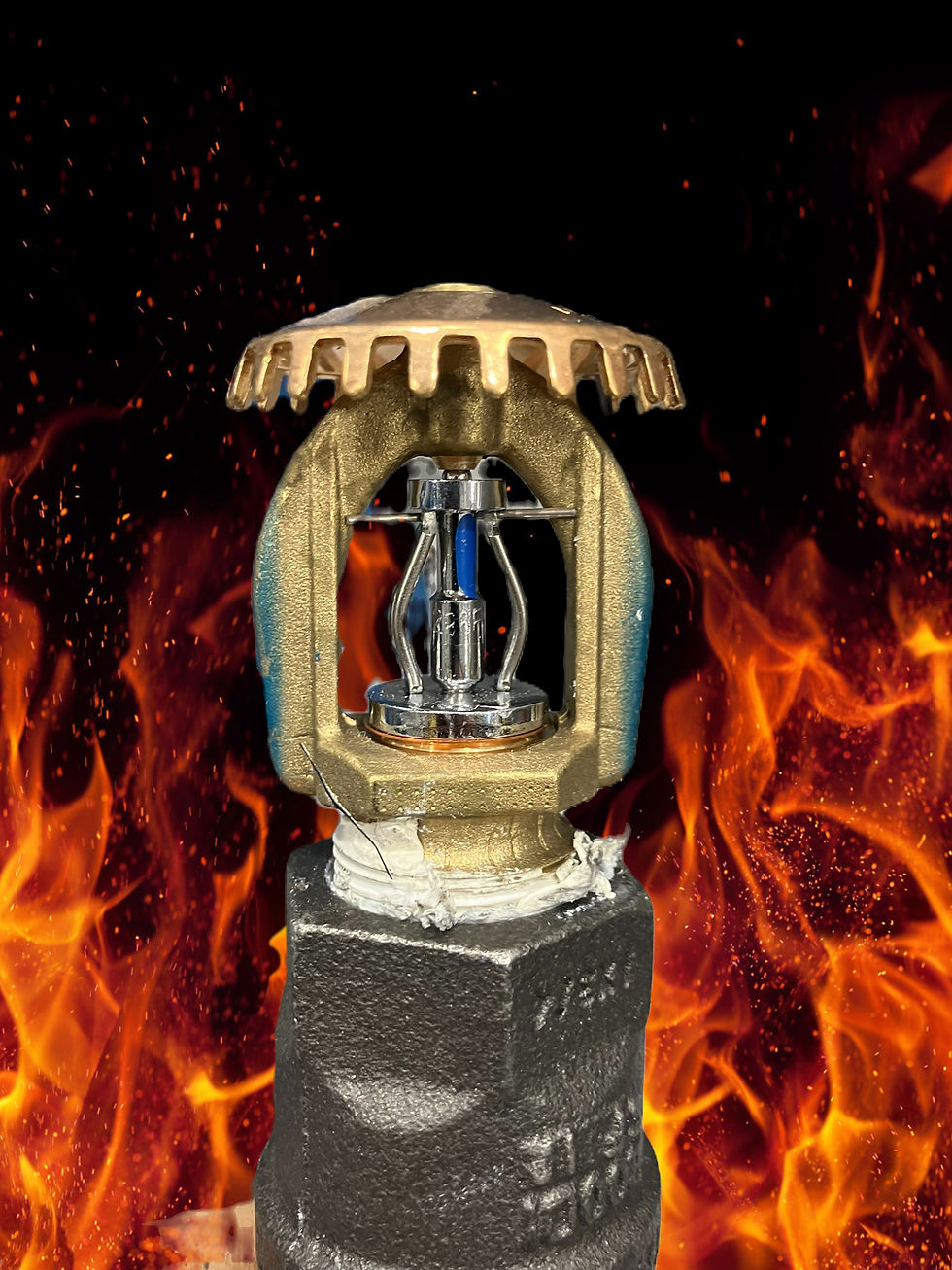
What we inspect and test
We follow NFPA 25 as the base standard for water-based fire sprinkler inspections and testing. What that looks like in the field depends on your building and system type, but most inspections include checks like:
Sprinkler heads, visible piping and hangers
Control valves, check valves and trim
Riser assemblies and inspector’s test connections
Fire department connections (FDCs)
Waterflow switches and tamper switches
Alarm connections and basic panel status related to the sprinkler system
Gauges, valves, drains and test connections
Main drain tests and other required waterflow tests where applicable
We look for obvious damage, corrosion, missing or painted heads, wrong coverage, and other issues that could keep your system from working as intended.
How a fire sprinkler inspection visit works
We try to make inspections straightforward so you know what to expect.
Step 1:
We confirm what you need.
We’ll ask whether you need an annual NFPA 25 inspection, a smaller interim check, or just documentation for a specific request from the fire marshal or insurance.
Step 2:
We schedule and show up.
We agree on a time, make sure we have access to riser rooms and areas with sprinkler equipment, and show up when we say we will.
Step 3:
We walk the system and do the testing.
We look at accessible heads, piping, valves, risers and related equipment, and perform the required tests for your system type and inspection level.
Step 4:
We talk through what we found.
Before we leave, we’ll tell you in plain language what looked good, what needs attention soon, and what we recommend next.
Step 5:
We send a written report.
You get a written NFPA 25–based inspection report you can share with the fire marshal, insurance company or building owner.
What happens if we find problems?
If we find deficiencies during an inspection, we don’t automatically roll into repair work without talking to you. We list what we found, explain why it matters, and give you options.
Some items are urgent and some are not. We’ll tell you which ones are tied directly to safety and code, and which ones are more about long-term reliability or housekeeping.
When you’re ready to move forward with repairs, we handle that through our service and repair work so you can close out the item and stay compliant.
How often do fire sprinkler inspections need to be done?
NFPA 25 lays out detailed schedules for inspections and testing. The exact schedule depends on your system type and building, but in simple terms:
Some items get looked at monthly or quarterly.
Many building owners focus on the annual NFPA 25 inspection and testing.
Certain components and tests are done every few years instead of every year.
You don’t need to memorize the standard. If you tell us what type of building you have and when your last inspection was, we can tell you what’s due and help you plan ahead so you’re not scrambling at the last minute.
For a deeper dive into NFPA 25 and inspection schedules, you can also visit our Learn page.
Where we do fire sprinkler inspections
We handle NFPA 25 inspections and testing for light hazard and small commercial buildings within about 35 miles of Molalla, including Molalla, Canby, Oregon City, Woodburn, Silverton, Mt. Angel, Salem, Keizer, Hayesville, Four Corners, Stayton, Aumsville, Sublimity, Hubbard and Gervais.
If you’re near the edge of that area and aren’t sure if you’re in range, ask us. We’ll be straightforward about whether it makes sense.
Inspection questions
FAQ – NFPA 25 Fire Sprinkler Inspections & Testing
Do I really need fire sprinkler inspections every year?
In most cases, yes. NFPA 25 lays out minimum inspection and testing frequencies, and many fire marshals and insurance companies follow those standards. An annual inspection is the most common starting point and helps catch problems before they turn into leaks or failures.
Do you perform NFPA 25 inspections and testing?
Yes. We perform NFPA 25 inspections and required testing for water-based fire sprinkler systems, especially light hazard and small commercial buildings.
What’s included in an NFPA 25 inspection?
We inspect the required components for your system type and frequency, document results, and provide clear notes on any issues or deficiencies we find.
Do you handle quarterly and annual sprinkler inspections?
Yes. We can perform quarterly items and annual inspection/testing requirements depending on the system and building needs.
What types of buildings do you work in?
Mostly light hazard and small commercial properties—offices, small retail, mixed-use, and similar buildings.
Do you provide reports and deficiency documentation?
Yes. You’ll get documentation you can file and use. If we find issues, we’ll explain them in plain language—not scare tactics.
Can you fix deficiencies after the inspection?
Yes. We can repair common deficiencies, but we don’t do surprise add-on work. We’ll clearly quote/communicate repairs and you approve before we proceed.
How do you price inspections?
It depends on system type, access, and what testing is required. We’ll explain what’s included and what’s not before scheduling.
What areas do you serve for inspections?
We serve roughly a 35-mile radius around Molalla, including Salem, Keizer, Woodburn, Oregon City, Canby, Silverton, Mt. Angel, Hubbard, Aurora, Wilsonville, and nearby cities.
What’s the difference between NFPA 13 and NFPA 25?
NFPA 13 is the standard used to design and install fire sprinkler systems. NFPA 25 is the standard used to inspect, test and maintain them after they’re installed. We focus on NFPA 25 inspections and testing for existing systems.
Will you tag my system and provide paperwork for the fire marshal or insurance?
Yes. After the inspection is complete, we provide written documentation in a format you can share with the fire marshal, insurance company or building owner. If they have a specific form they like used, tell us ahead of time and we’ll do our best to match it.
What happens if my system fails part of the inspection?
How do I schedule an inspection?
Ready to schedule?
If something fails or needs repair, we list it as a deficiency and explain it in plain language. We don’t pressure you on the spot. When you’re ready, we can handle the repair through our service and repair work so you can close out the item and stay compliant.
Call (503) 878-3964 or use our contact form. If you know your system type (wet/dry) and last inspection date, include it—if not, no problem.
Call (503) 878-3964 and we’ll get you on the calendar.
Ready to talk about your fire sprinkler inspection?
Whether you’re dealing with a fire sprinkler leak, a frozen or broken pipe, a tripped dry valve, low or high air alarms, or you just need your NFPA 25 inspection done, we’re happy to talk it through. You don’t have to know the right terms—just tell us what you’re seeing or what you were asked to get done by the fire marshal or insurance.
Fill out the form and we’ll call you back the same business day during normal hours. We’ll ask a few simple questions about your building and what’s going on, explain how pricing works, and let you know what the next step looks like. No pressure, no sales pitch—just a straight conversation about your fire sprinkler system.
Whether you’re dealing with a fire sprinkler leak, a frozen or broken pipe, a tripped dry valve, low or high air alarms, or you just need your NFPA 25 inspection done, we’re happy to talk it through. You don’t have to know the right terms—just tell us what you’re seeing or what you were asked to get done by the fire marshal or insurance.
Fill out the form and we’ll call you back the same business day during normal hours. We’ll ask a few simple questions about your building and what’s going on, explain how pricing works, and let you know what the next step looks like. No pressure, no sales pitch—just a straight conversation about your fire sprinkler system.
Whether you’re dealing with a fire sprinkler leak, a frozen or broken pipe, a tripped dry valve, low or high air alarms, or you just need your NFPA 25 inspection done, we’re happy to talk it through. You don’t have to know the right terms—just tell us what you’re seeing or what you were asked to get done by the fire marshal or insurance.
Fill out the form and we’ll call you back the same business day during normal hours. We’ll ask a few simple questions about your building and what’s going on, explain how pricing works, and let you know what the next step looks like. No pressure, no sales pitch—just a straight conversation about your fire sprinkler system.
Ready to talk about your fire sprinkler inspection?
Whether you’re dealing with a fire sprinkler leak, a frozen or broken pipe, a tripped dry valve, low or high air alarms, or you just need your NFPA 25 inspection done, we’re happy to talk it through. You don’t have to know the right terms—just tell us what you’re seeing or what you were asked to get done by the fire marshal or insurance.
Fill out the form and we’ll call you back the same business day during normal hours. We’ll ask a few simple questions about your building and what’s going on, explain how pricing works, and let you know what the next step looks like. No pressure, no sales pitch—just a straight conversation about your fire sprinkler system.